A bare, sun-baked patio only gets used for a couple of hours a day before it’s too hot to sit on. Add the right shade sail in the right spot, and that same space becomes usable from breakfast to dinner — while also protecting your skin, your furniture, and your home from prolonged sun exposure. Here’s what a well-installed shade sail actually does, and how to pick one that earns its keep.
-
Blocks Up to 98% of Harmful UV Rays
This is the reason most people install a shade sail in the first place. Quality fabric blocks up to 98% of UV radiation, which matters a lot in Australian backyards, where UV levels regularly sit in the “extreme” range for much of the year. That makes the backyard a genuinely safer place for kids to play, pets to nap, and adults to host a get-together without worrying about sun exposure.
-
Makes Your Outdoor Space Comfortable All Year
A shaded patio stays noticeably cooler than open sun, which means you can actually use it — lounging outside on a hot afternoon, or sitting out with a coffee on a cooler morning without the direct glare. It extends how much of the day, and how much of the year, your backyard is worth being in.
-
Helps Lower Energy Bills
Strategically positioned shade sails over windows, a west-facing wall, or an outdoor entertaining area next to the house to reduce the direct heat reaching your home. Less heat load means less reliance on air conditioning through summer — a small, low-cost change that adds up on energy bills over a season.
-
Adds Style to Your Backyard
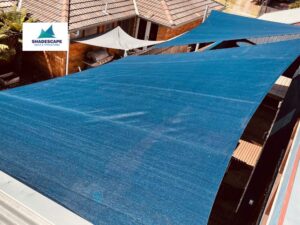
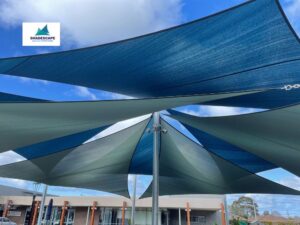
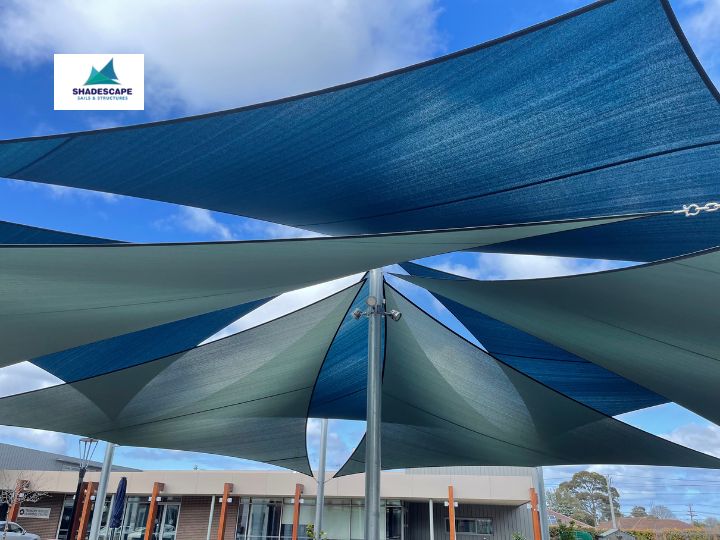
Shade sails aren’t just functional — they’re a design feature. Available in a wide range of colours, shapes and layered configurations (triangular, rectangular, or overlapping sails), they can be matched to your home’s exterior or used to make a deliberate style statement. A well-chosen colour and shape do just as much for your home’s kerb appeal as they do for sun protection.
-
Built to Last, With Minimal Upkeep
Quality shade sails are crafted from UV-stabilised, mould- and tear-resistant fabric, commonly HDPE or PVC-coated material engineered to withstand heavy rain, hail and harsh sun without breaking down. Maintenance is genuinely low: an occasional hose-down and a routine check of the tension and fittings before storm season is usually all it takes to enjoy many years.
-
Gets More Use Out of Your Backyard
More shade means more reasons to actually be outside — reading in the morning, having lunch with family, or staying out later in the evening without retreating indoors once the sun hits a certain angle. It effectively extends your living space outdoors, at a fraction of the cost of a home renovation.
-
Costs a Lot Less Than a Permanent Structure
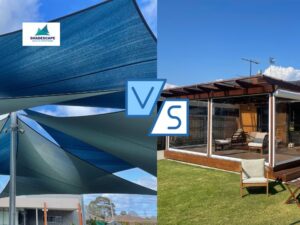
Compared to a pergola, patio roof, or gazebo, shade sails are a far more affordable way to create covered outdoor space. Installation is quicker, there’s less structural work involved, and custom tensioned sails are generally designed around specific anchor points and geometry.
-
Adds Privacy to Pools, Spas and Seating Areas
Positioned well, a shade sail does more than block the sun — certain sail designs can also improve privacy. That’s especially useful over a pool, spa or outdoor seating area you’d rather keep a little more private from neighbouring properties, without needing a screen or fence.
-
Sets Up the Perfect Spot for Entertaining
A shaded patio or deck makes hosting a barbecue, birthday, or weekend get-together easier than leaving the space fully exposed to the sun. With the right-size sail, you can effortlessly shade a full dining setting, an outdoor kitchen area, or an entire entertaining zone.
-
Protects Your Outdoor Furniture From Sun and Weather Damage
Constant sun exposure fades fabric, cracks timber, and warps plastic outdoor furniture faster than most people expect. A shade sail over your patio setup protects cushions, timber, and upholstery from UV and weather damage, extending the life of furniture you’ve already invested in.
How to Choose the Right Shade Sail for Maximum Benefit
A shade sail only delivers on these benefits if it’s sized, shaped, and installed correctly for your space. Three things matter most:
Material
HDPE shade cloth is the industry standard for good reason — it resists UV degradation and water, and holds up for years in Queensland’s climate. Cheaper, lower-grade fabric tends to sag, fade, and tear well before it should.
Size and shape
Measure the space accurately before ordering. Undersizing is the most common mistake — a sail that’s just barely big enough often leaves gaps as the sun’s angle shifts through the day. For larger areas, two or more overlapping sails often provide better coverage than one oversized sail stretched too far.
Installation
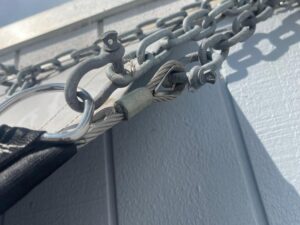
A DIY install can go wrong in ways that cost more than professional installation would have — incorrect tension, weak anchor points, or the wrong angle for water runoff (a slight incline is important to stop pooling). A professional installer measures your specific sun path and anchor points, ensuring the sail performs exactly as intended for years, not months.
FAQs
How much UV protection does a shade sail provide?
Some high-quality shade fabrics can block up to 98% of UV radiation, although actual protection depends on the fabric, colour, construction and how the sail is positioned.
Do shade sails block rain?
Most shade sail fabric is water-resistant, not waterproof — it will shed light rain and short showers reasonably well, but sustained or heavy rain will eventually pass through. For all-weather cover, a waterproof-rated fabric or a hybrid structure is a better fit.
How long do shade sails last?
A quality, professionally installed shade sail typically lasts many years with minimal upkeep, provided the fabric is UV-stabilised and the hardware is checked periodically for tension and wear.
Are shade sails a cheaper option than a pergola or patio roof?
Yes — shade sails cost significantly less to install than permanent structures like pergolas or gazebos, with faster installation and the flexibility to reposition or resize later.
Can a shade sail actually lower my energy bills?
It can help. Shading windows or a sun-exposed wall reduces heat gain into the home, which eases the load on air conditioning during summer — though it works best as part of a broader energy-efficiency approach, not a standalone fix.
Do I need a professional to install a shade sail?
It’s strongly recommended. Professional installation gets the tension, anchor points, and drainage angle right the first time, which protects both the fabric and your investment — DIY installs are the most common cause of early sail failure.