Commercial shade is one of those things that looks simple until you’re the one responsible for getting it right.
A shade sail over a café courtyard, school playground, sports court, or car park isn’t just fabric and steel; it becomes part of the site’s infrastructure. It affects safety, comfort, foot traffic, supervision, and the utilisation of the space during peak UV hours.
That’s why many decision-makers searching for a commercial shade sail company Australia don’t just want a “quote.” They want a supplier who understands compliance, long-term performance, and the real-world chaos of commercial sites.
This is where businesses, schools, and councils consistently choose Shadescape — not because it’s the loudest company in the market, but because it’s the one that treats shade like a long-term asset.
1) Businesses Don’t Want “Shade” — They Want a Problem Solved
When buyers inquire about commercial shade solutions, their daily questions usually sound like this:
- “Do we need council approval for this?”
- “Will it hold up in the wind?”
- “How long will it last?”
- “Can we get 99% UV protection?”
- “Can you install without disrupting operations?”
- “If something fails in 4 years, who owns it?”
That’s not a shopping mindset, it’s a risk-management mindset.
The suppliers who win commercial work are the ones who can answer those questions clearly and back them up with process, documentation, and proof.
2) Council Permits & Legal Parameters: The Part Most Buyers Find Out Too Late
Here’s the truth: commercial shade installations often require approvals, and the rules change by council, state, and structure type.
Even government planning resources emphasise that structures on public land or on public roads need approval from the relevant authority (such as the council) in NSW, and similar principles apply in other states, depending on site conditions and classification. (NSW Planning Portal)
Competitors like Greenline often explain that permits may depend on size thresholds and conditions; for example, they mention that smaller shade structures might be exempt in some cases, but it’s not a universal rule. Others cite common thresholds around 20m² and height limits as typical triggers for permits in some councils (but again, rules vary).
What this means in plain language:
If your project involves any of the following, you should assume permits or compliance checks may apply:
- Large surface area (common for sports courts, schools, and car parks)
- Permanent posts & footings
- Public access areas (schools, parks, walkways)
- Waterproof fabric (often treated more like a roofed structure)
- High wind exposure locations (open ovals, coastal sites)
This is exactly why businesses prefer a commercial shade sail installation company that can guide them early, not one that waits until excavation begins to mention compliance.
Shadescape addresses approvals and compliance planning upfront and encourages project owners to align early with local requirements. (This approach is consistent with what Shadescape already explains in its own guide to choosing a supplier.)
3) Engineering, Safety, and WHS: Commercial Sites Need More Than Good Intentions
Many competitors talk about engineering, but what buyers actually want is confidence that the structure will still be safe years from now.
For commercial work, engineering matters more when the project is:
- Larger in span
- In high wind zones
- Using waterproof fabric
- Installed in public spaces
Shadescape’s approach aligns with reputable industry guidance highlights: commercial installations must consider wind loads, structural stability, and compliance requirements. (This is repeatedly referenced across Australian shade content, including competitors and SWMS-based guidance.)
Also important: commercial projects aren’t just “installed.” They’re managed like construction works with safety controls, site risk planning, and documentation.
This is why businesses evaluating engineered shade structures Australia often choose companies that treat safety and compliance as non-negotiable.
4) 99% UV Protection: A Requirement, Not a Bonus
In Australia, shade isn’t aesthetic first; it’s health first.
Many commercial clients (especially schools and councils) look for fabrics that can provide up to 99% UV protection, depending on fabric type and density.
Shadescape already highlights the role of UV reduction in commercial shade environments — and why shade structures are no longer optional in public spaces.
If a supplier can’t clearly explain fabric choice, UV capability, and the trade-offs between breathable mesh vs waterproof options, that’s not a “small detail.” That’s the entire purpose of the project.
For a deeper breakdown, read Shadescape’s blog on what materials shade sails are made from.
5) The Part Competitors Often Miss: Long-Term Value Is Not Just “Better Fabric”
Most competitors talk about installation and materials. Fewer talk about what happens after installation, even though that’s where commercial clients lose money.
A shade structure can look perfect on day one and still become a headache later if:
- tension loosens
- fittings fatigue
- posts shift
- fabric degrades under UV stress
- minor issues are ignored until they become expensive repairs
Shadescape’s “Stand-Out” Advantage: A Maintenance + Audit Mindset
One thing that genuinely separates Shadescape in the market is that it doesn’t treat shade as a one-time transaction.
Shadescape offers structured Outdoor Shade Audit services and recommends comprehensive audits every three years in line with Victorian education and SunSmart-style guidance, including inspection by a registered building practitioner (structural practitioner).
That isn’t just “maintenance advice.” It’s a commercial asset-management approach.
A simple way to describe this to buyers (and it’s powerful):
Shadescape doesn’t just install shade — it helps you keep it safe, compliant, and performing long after installation.
This is also supported by Shadescape’s own content on the benefits of inspections and maintenance for schools and businesses, which reinforces long-term performance thinking.
6) Real Proof: Forest Hill College (A Practical Example)
Big claims don’t help buyers. Examples do.
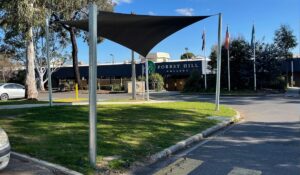
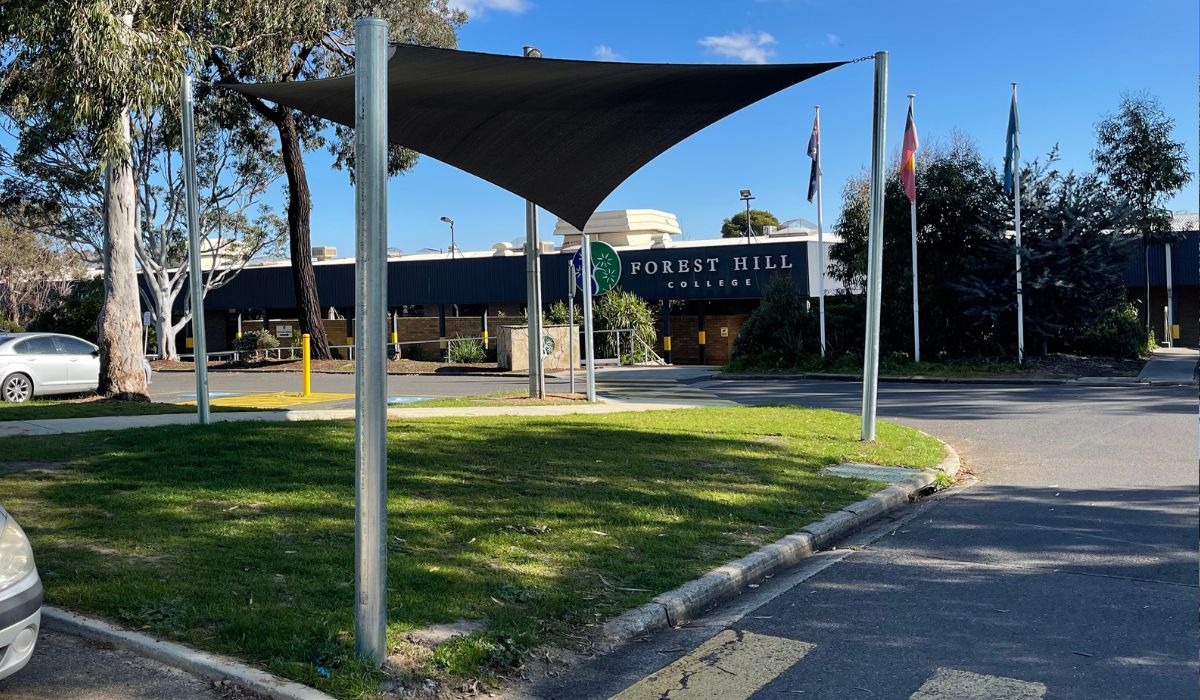
On the Forest Hill College project, Shadescape delivered a shade sail installation designed to enhance outdoor usability, provide effective UV protection, and blend into the school environment.
That single line hits what commercial buyers care about most:
- durable outcome
- safer outdoor use
- site integration
- long-term comfort
And the site backs credibility with proof markers like 10 years in business, 250+ projects completed, and registered commercial builders displayed alongside project pages, which directly supports buyer trust.
7) Why Businesses Call Shadescape a “One-Stop Shop”
The “one-stop shop” idea matters because commercial clients don’t want to coordinate multiple vendors.
They want one accountable team that can manage:
- site assessment
- design decisions
- structural planning
- installation logistics
- compliance thinking
- long-term support
Shadescape’s own commercial project content reflects this broader approach, describing shade as a strategic investment that improves comfort, usability, and long-term value in public and business spaces.
That’s exactly what commercial buyers want: a partner, not a product supplier.
FAQs
1) Do commercial shade sails need council permits in Australia?
Often, yes — especially for large spans, permanent footings, public-access areas, waterproof materials, or installations on public land. Requirements vary by council and state, so early planning matters.
2) What makes one commercial shade supplier better than another?
Experience in similar sites, clarity around compliance, quality materials, proper installation, and long-term support. Buyers should also look for real commercial shade sail project examples before deciding.
3) How long do commercial shade sails last?
With quality fabric, proper installation, and regular inspections, commercial shade sails often last 10–15+ years. Maintenance and audits help protect the lifespan and compliance over time.
Book a Consultation
If you’re planning shade for a school, council site, hospitality space, sports court, or commercial facility, the smartest first step is a proper consultation, not a rushed quote.
Explore Shadescape’s Commercial Shade Solutions, review real commercial shade projects, and if you want clarity on compliance, UV performance, or long-term value, book a consultation through Contact Shadescape Today.
Because commercial shade should feel like an asset, not a future repair bill.