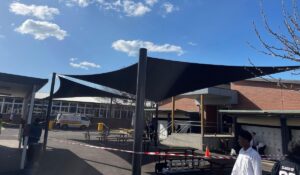

Outdoor environments play a vital role in how businesses, schools, and public facilities welcome visitors and support everyday activities. A well-planned commercial shade structure installation not only improves comfort but also enhances safety, aesthetics, and usability of outdoor spaces. Whether it is a school playground, café seating area, park walkway, or commercial courtyard, professionally designed shade sails provide protection from the harsh Australian sun while creating inviting spaces people enjoy using.
In Melbourne and surrounding regions, businesses are increasingly investing in durable commercial shade structures that combine design, engineering, and long-term performance. A well-executed project involves far more than simply installing fabric overhead. It requires careful planning, structural expertise, high-quality materials, and experienced installers. Companies such as Shadescape Sails & Structures specialise in delivering shade sail projects from the first design concept through to final installation, ensuring every structure performs reliably for years in Australia’s demanding climate.
Outdoor shade structures are particularly valuable in environments where people gather regularly. Schools, childcare centres, hospitality venues, and public parks benefit from carefully designed shade sails that protect visitors from ultraviolet exposure while maintaining an attractive outdoor environment.
What Is Involved in a Commercial Shade Structure Installation?
A professional commercial shade structure installation is a multi-stage process that blends architecture, engineering, and craftsmanship. Each stage contributes to creating a shade solution that is visually appealing, structurally sound, and capable of withstanding Melbourne’s weather conditions.
The installation process usually includes:
• Initial site consultation and measurement
• Structural assessment of the area
• Custom design planning
• Material selection and engineering calculations
• Fabrication of posts and sails
• Professional installation and tensioning
Each step ensures the final shade structure performs safely while enhancing the overall outdoor environment.
Understanding the Importance of Custom Shade Sail Design
Every commercial property has unique spatial requirements, sun exposure patterns, and visual preferences. This is why custom shade sail design is an essential part of successful projects.
Unlike standard shade products, custom designs consider factors such as sun angles, wind loads, drainage, and surrounding architecture. Designers also assess how the structure will interact with existing landscaping, buildings, or outdoor furniture.
Businesses exploring shade solutions often review bold examples of our previous projects to see how tailored designs transform different commercial environments.
Well-planned shade sail designs commonly feature:
• High-tension fabric shapes such as hypar, cone, or pyramid
• Strategic post placement for structural stability
• Optimal shade coverage during peak sunlight hours
• Integration with surrounding architecture
These design elements ensure the shade structure provides both visual appeal and reliable performance.
Planning Outdoor Shade Solutions for Businesses
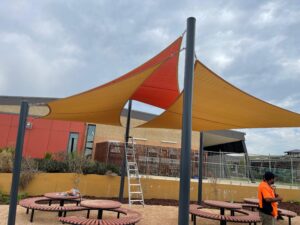
Commercial spaces require shade solutions that balance practicality, safety, and visual appeal. Restaurants, shopping centres, and office complexes often use shade sails to improve outdoor seating areas, walkways, or entry zones.
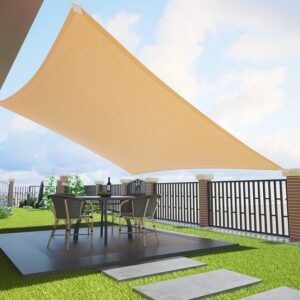
Professionally engineered structures also support business branding and customer comfort. For example, cafés and restaurants benefit from shaded outdoor seating areas where customers can enjoy Melbourne’s outdoor lifestyle while staying protected from UV exposure.
These installations may include:
• Courtyard shade systems for office buildings
• Car park shade sails
• Outdoor dining area structures
• Covered entryways and walkways
When designed correctly, shade sails add functional value while improving the visual character of commercial spaces.
Shade Sails for Schools and Parks
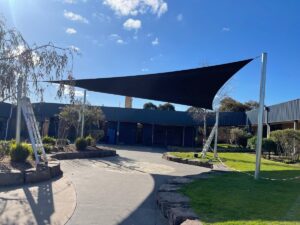
Public spaces such as schools, playgrounds, and parks require effective shade systems to protect children and visitors from excessive sun exposure. Australia’s high UV index makes shade structures particularly important in outdoor recreational areas.
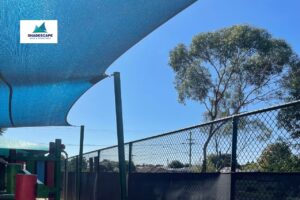
Educational facilities often choose UV protection shade sails to create shaded zones for playground equipment, sports courts, and outdoor learning areas. These installations help schools comply with sun safety guidelines promoted by organisations such as SunSmart Australia.
Common locations for school shade sails include:
• Playgrounds and sandpits
• Outdoor assembly areas
• Sports courts and spectator zones
• Walkways between classrooms
Properly designed structures create comfortable outdoor environments while supporting student wellbeing.
From Concept to Construction: The Installation Process
Delivering a successful commercial shade structure installation requires careful coordination between designers, engineers, and installers. Experienced providers such as Shadescape Sails & Structures follow a structured process to ensure each project meets safety standards and design expectations.
Site Assessment and Consultation
The project begins with a detailed site visit. Specialists examine the layout, existing structures, soil conditions, and potential attachment points for posts or mounting hardware.
They also evaluate how sunlight moves across the site during different times of day and seasons. This helps designers determine the most effective placement and orientation for the shade sails.
Engineering and Structural Planning
After measurements are taken, engineers calculate structural loads and select appropriate materials. Posts, footings, and hardware must be designed to withstand strong winds, heavy rainfall, and constant fabric tension.
Many businesses researching installations explore residential examples within Residential Shade Sails to understand how the same design principles apply to homes and smaller outdoor spaces.
Fabrication of Shade Sail Components
Once the design is finalised, fabrication begins. Commercial shade sails are typically made using high-density polyethylene (HDPE) fabric, which provides excellent UV resistance while allowing airflow.
Steel support posts are fabricated, coated for corrosion protection, and prepared for installation.
Professional Installation and Tensioning
During installation, support posts are anchored into reinforced concrete footings to ensure structural stability. Shade sails are then attached and carefully tensioned to achieve the desired shape and strength.
Proper tensioning is essential because it prevents water pooling and ensures the fabric remains stable during windy conditions.
Materials Used in Durable Commercial Shade Structures
Not all shade sails are built the same. Commercial environments require materials that can withstand continuous exposure to sun, wind, and rain.
High-quality installations often incorporate the following components:
| Component | Purpose |
|---|---|
| HDPE Shade Fabric | Blocks harmful UV radiation while allowing airflow |
| Galvanised Steel Posts | Provide structural strength and durability |
| Stainless Steel Fittings | Prevent corrosion and maintain tension |
| Reinforced Footings | Stabilise posts and support wind loads |
These materials ensure durable commercial shade structures perform reliably for many years with minimal maintenance.
Maintenance and Long-Term Performance
Even the best shade structures require routine maintenance to preserve their strength and appearance. Regular inspections ensure fittings remain secure and the fabric maintains proper tension.
Maintenance typically includes:
• Periodic cleaning of shade fabric
• Inspection of tension and hardware
• Checking posts and anchors after storms
• Seasonal removal if required
Consistent maintenance helps keep shade sails looking professional and functioning safely.
Choosing a Shade Sail Installation Company in Melbourne
Selecting the right provider plays a crucial role in the success of a shade project. Experienced installers understand local building regulations, environmental conditions, and structural requirements.
A trusted shade sail installation company Melbourne businesses rely on should offer:
• Professional design consultation
• Engineering expertise
• High-quality materials
• Experienced installation teams
• Ongoing support and maintenance advice
With extensive experience delivering projects across Melbourne, Shadescape Sails & Structures works closely with businesses, schools, and property managers to create shade systems that are both practical and visually impressive.
Conclusion
Creating effective outdoor environments requires thoughtful planning, strong engineering, and high-quality materials. A professionally managed commercial shade structure installation transforms outdoor areas into comfortable, usable spaces that benefit businesses, schools, and communities alike.
From the earliest design stages through to fabrication and installation, every step plays a role in ensuring the structure performs safely and looks visually appealing. With tailored custom shade sail design, durable materials, and expert installation, shade sails provide reliable UV protection shade sails that support healthier outdoor environments.
By partnering with experienced specialists like Shadescape Sails & Structures, organisations can confidently invest in shade solutions that enhance their properties and deliver long-term value.
FAQs
1. How long does a commercial shade sail installation take?
Most installations take between one and three weeks depending on project size, site preparation, and weather conditions. Larger commercial projects may require additional engineering and construction time.
2. Are shade sails suitable for high-wind areas?
Yes. Professionally engineered shade sails are designed to handle wind loads common in Australia. Proper tensioning, strong posts, and reinforced footings are essential for wind resistance.
3. How much UV protection do shade sails provide?
High-quality shade sail fabrics can block up to 95–98% of harmful UV radiation, making them ideal for playgrounds, outdoor seating areas, and public spaces.
4. Do commercial shade sails require planning approval in Melbourne?
Some installations may require permits depending on structure size and location. Professional installers typically assist clients in understanding local council regulations.
5. How long do commercial shade sails last?
With quality materials and regular maintenance, commercial shade sails can last 10–15 years or longer depending on environmental conditions and fabric type.