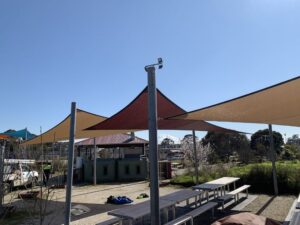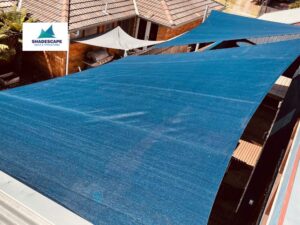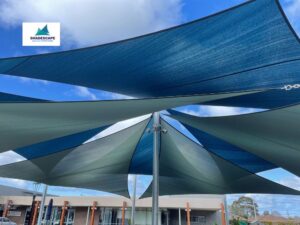

A thriving school yard gives children room to play, learn, rest, and socialise comfortably. Yet open areas can become difficult to use when playground equipment, seating, sandpits, or learning zones receive direct sunlight for much of the day.
Properly designed playground shade sails help schools protect high-use spaces without making the grounds feel dark or enclosed. They can improve student sun safety, support outdoor lessons, and make playgrounds more comfortable during recess, lunchtime, sport, and school events.
The best result does not come from covering the largest possible area. It comes from shading the right places at the right times.
- Plan Playground Shade Sails Around Daily School Use
Shade planning should begin with observation.
Before choosing the size, shape, or colour of a sail, schools should look at how students use the yard throughout the day. A space that appears quiet in the morning may become the busiest part of the grounds during lunch.
Observe the site during:
- Morning arrival
- Recess
- Lunchtime
- Physical education periods
- Outdoor lessons
- Afternoon pickup
- Assemblies and school events
The direction of the sun also changes during the day. A sail that protects a climbing frame at 9 a.m. may leave the same equipment exposed by midday.
Effective school playground shade should be based on:
- Where students spend the most time
- Which equipment receives the most use
- Where teachers stand during supervision
- Which surfaces become noticeably hot
- Where students queue or wait
- How nearby buildings and trees affect coverage
- Whether planned posts could interrupt movement
A professional site assessment can help the school understand these patterns before committing to a design.
This reduces the risk of paying for shade that misses the area where it is needed most.
- Cover High-Use Play and Gathering Areas First
Most schools have several outdoor areas that could benefit from shade, but not every zone has the same priority.
The first areas to assess should usually be the places where children remain for longer periods.
These may include:
- Slides and climbing equipment
- Soft-fall surfaces
- Swings
- Junior play areas
- Lunch seating
- Quiet play corners
- Sandpits
- Assembly zones
- Waiting areas
For younger students, sandpit shade may be especially valuable because children often remain seated in one place while playing. The design should provide useful coverage without obstructing teacher sightlines.
Assembly areas also need careful planning. Suitable shade can make morning gatherings, presentations, and school events more comfortable, but the structure should still allow clear movement and visibility.
Shade may also be needed between activity zones. Well-positioned school walkway shade can protect routes connecting classrooms, playgrounds, libraries, sports facilities, and pickup points.
When reviewing these locations, schools should consider:
- The age of the students
- Duration of outdoor use
- Number of students using the area
- Supervision requirements
- Safe clearance around posts
- Emergency and maintenance access
- Existing trees and structures
Good school shade sail solutions protect active areas while preserving the open character of the school yard.
- Choose UV Protection Shade Sails Carefully
Colour and appearance matter, but they should not be the first factors in the buying decision.
The fabric should be suitable for regular outdoor use and supported by clear information about its UV performance, expected service life, and warranty.
When comparing UV protection shade sails, schools should ask about:
- Documented UV-blocking performance
- Fabric grade and density
- Warranty conditions
- Suitability for Australian weather
- Stitching and edge reinforcement
- Resistance to stretching and fading
- Replacement fabric availability
- Cleaning requirements
The design must also provide useful coverage during the busiest times of day. Even high-quality fabric cannot protect an area that has been positioned incorrectly.
Effective school outdoor safety planning should consider the entire structure, including its orientation, height, fixing points, posts, and surrounding environment.
Schools should also avoid treating shade as the only form of sun protection. It works best as part of a broader student sun safety plan that may include protective clothing, hats, sunscreen, and scheduling decisions.
The aim is not to remove sunlight completely. It is to reduce unnecessary exposure while keeping outdoor areas bright, open, and well ventilated.
Well-designed shade sails for schools should retain:
- Natural airflow
- Clear visibility for teachers
- Comfortable light levels
- Safe movement beneath the structure
- Suitable clearance above equipment
- Access for cleaning and repairs
When comparing suppliers, ask for fabric specifications and project details rather than relying on broad claims such as “premium quality.”
- Create Flexible Outdoor Learning Areas
School grounds are no longer used only for recess and sport. Courtyards, gardens, lawns, and covered play zones can support lessons, reading groups, creative activities, wellbeing sessions, and small events.
Properly planned outdoor learning areas give teachers more flexibility while allowing students to learn in a different environment.
Possible uses include:
- Group reading
- Art and craft activities
- Nature studies
- Science observations
- Quiet reflection
- Small-group teaching
- Lunch programs
- Student wellbeing activities
- Parent and community events
Useful outdoor classroom shade should be designed around teaching needs rather than playground needs alone.
The area may require:
- Clear teacher sightlines
- Space for tables, benches, or floor mats
- Comfortable airflow
- Reduced glare
- Mobility access
- Easy entry from nearby classrooms
- Coverage during common lesson hours
- Separation from noisy activity areas
This is where custom school shade sails can be particularly useful.
A standard structure may not fit neatly around an existing courtyard, garden, pathway, or seating layout. A custom design can respond to the available space without forcing the school to reorganise the entire area.
The final design should make the space feel welcoming rather than cramped.
For example, a reading area may need moderate shade and quiet seating, while a science activity space may need more open access, washable surfaces, and rain protection.
Schools planning a new outdoor learning area should request a site assessment that considers student comfort and how the space will be used for teaching.
- Decide Where Waterproof School Shade Sails Make Sense
Not every school area needs waterproof coverage.
Standard knitted shade fabric is commonly selected for playgrounds because it provides airflow while reducing direct sun exposure. Waterproof materials serve a different purpose.
Waterproof school shade sails may be appropriate where an area needs protection from both sun and rain.
Useful locations can include:
- Pickup and drop-off points
- Canteen queues
- Covered lunch areas
- Building entrances
- Waiting zones
- Walkways
- Outdoor teaching spaces
- Staff-supervised seating areas
The choice should be based on how the space is used.
Breathable shade fabric may be the better option for an open playground where airflow is the main priority. Waterproof material may offer more value over an outdoor classroom shade area containing furniture, books, or teaching materials.
Waterproof structures also require careful drainage planning.
The sail must have enough slope to direct water away from the covered area. If it is installed too flat, water can collect in the fabric and place additional pressure on the sail, fittings, and support structure.
Before selecting waterproof coverage, ask:
- Does the area genuinely need rain protection?
- Where will runoff water go?
- Will the structure reduce airflow?
- Is the support system designed for the additional load?
- Will nearby entrances or paths become wet?
- Can the sail be cleaned and inspected safely?
- Is a fixed roof or another structure more suitable?
A balanced supplier should explain both the benefits and limitations of waterproof fabric rather than recommending it for every application.
Schools can explore ShadeScape’s waterproof school shade sails options when planning covered learning, waiting, or dining areas.
- Invest in Custom School Shade Sails and Professional Installation
School installations are usually more complex than shade projects for a small home patio.
They often cover larger spaces, serve more people, and operate in areas with constant movement. This makes accurate design, engineering, and installation especially important.
A site-specific plan should examine:
- Sail dimensions and shape
- Sun direction
- Wind exposure
- Existing buildings
- Underground services
- Soil and footing conditions
- Post placement
- Drainage
- Student circulation
- Height clearance
- Future maintenance access
Professional school shade sail installation Melbourne should also account for how the school will use the space in the future.
A growing school may need a flexible design that makes another sail or seating area to be added later. A staged solution can sometimes be more practical than covering the entire site at once.
Large school shade structures may also be needed around sports facilities.
Suitable sports court shade could be installed over:
- Player rest zones
- Spectator seating
- Coaching areas
- Court-side waiting spaces
- Equipment zones
Covering an entire court is not automatically the right answer. The decision depends on the budget, structure size, engineering requirements, and intended use.
Before approving a project, schools should ask for a detailed school shade sail quote that clearly outlines all costs and inclusions.
The quote should explain:
- Site measurement
- Proposed design
- Fabric specification
- Posts and footings
- Fixing hardware
- Engineering requirements
- Installation costs
- Access equipment
- Drainage provisions
- Warranty
- Maintenance responsibilities
- Exclusions and possible variations
The lowest price does not always represent the best value.
A cheaper proposal may exclude footings, engineering, removal work, access equipment, or long-term support. Comparing complete project scopes helps decision-makers understand what they are actually buying.
Well-designed durable shade structures should provide useful coverage, safe performance, and manageable maintenance rather than simply meeting the lowest initial budget.
- Schedule Shade Sail Maintenance and Inspections
Installation is only the beginning of a shade structure’s working life.
Fabric, fittings, posts, and footings remain exposed to sun, rain, wind, dust, leaves, and everyday activity. Regular care helps schools identify small concerns before they develop into larger problems.
Routine shade sail maintenance may include:
- Removing leaves and debris
- Washing fabric with suitable products
- Checking seams and corners
- Reviewing sail tension
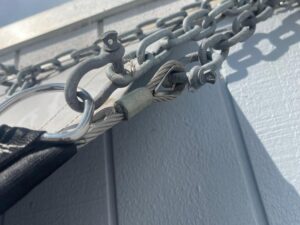
- Inspecting fittings for corrosion
- Checking posts for movement
- Examining footings
- Repairing small tears
- Retensioning loose fabric
Schools should pay particular attention after storms or strong winds.
Warning signs may include:
- Sagging fabric
- Flapping during normal wind
- Rust around fittings
- Loose bolts
- Frayed edges
- Damaged stitching
- Water pooling
- Cracks near footings
- Movement in posts
- Reduced coverage caused by stretching
Professional shade sail inspections provide a closer review of the complete system.
Inspection records should include:
- Date of inspection
- Photographs
- Identified problems
- Recommended repairs
- Completed maintenance
- Engineering reports
- Warranty documents
- Notes following severe weather
Keeping these records makes it easier for school administrators to monitor the structure condition and plan future spending.
Preventive care is generally more manageable than waiting until a sail needs major repair or replacement.
ShadeScape also provides shade sail maintenance and repair support for structures that have lost tension, developed damage, or reached the point where replacement should be considered.
Why ShadeScape Stands Out for School Shade Projects
Schools need more than a company that can attach fabric to posts.
They need a provider that understands site use, student movement, shade placement, material selection, installation, and long-term care.
ShadeScape offers support across the project journey, including:
-
- On-site assessment
- Custom design and planning
- Material recommendations
- UV-protective and waterproof options
- Installation planning
- Large-scale school shade structures
- Maintenance and repairs
- Professional inspections
Its approach to school shade sails Melbourneis based on the needs of each location.
One school may require sandpit shade for an early-years play zone. Another may need a covered courtyard, school walkway shade, or sports court shade. A third may be replacing an old structure that no longer provides the right coverage.
This site-specific approach is important because no two school grounds have the same layout, usage patterns, or exposure.
ShadeScape also supports school shade sails in Melbourne beyond the initial installation. Access to inspections, repairs, retensioning, and replacement advice gives schools a clearer long-term service pathway.
That does not mean every project needs the largest or most expensive structure.
A responsible recommendation should reflect:
- The school’s priorities
- The available budget
- Daily student use
- Site restrictions
- Existing shade
- Maintenance capacity
- Plans
Schools can start with a site assessment and a detailed school shade sail quote, then decide which areas need attention first.
FAQs
- How much do playground shade sails cost?
The cost depends on the covered area, fabric, number of sails, posts, footings, engineering, site access, and installation complexity. Waterproof structures usually require different materials and drainage planning. An on-site school shade sail quote gives a more dependable figure than a general online estimate.
- What areas should schools shade first?
Schools should normally prioritise areas where students spend the most time. These may include play equipment, seating, sandpits, lunch zones, outdoor classrooms, assembly spaces, and walkways. Observing the grounds during recess and lunch can reveal where school playground shade will provide the greatest value.
- Are waterproof school shade sails better than standard sails?
Not in every situation. Standard knitted fabric offers better airflow and works well over open playgrounds. Waterproof fabric is more suitable for covered areas, entrances, and dining zones that also need rain protection.
- How long do school shade sails usually last?
Their lifespan depends on the fabric, engineering, installation quality, weather exposure, tension, cleaning, and maintenance. Regular checks and timely repairs can extend useful performance, while neglected fittings or loose fabric may shorten it.
- How often should schools arrange shade sail inspections?
Schools should conduct regular visual checks and arrange a professional inspection when they notice sagging, corrosion, loose fittings, fabric damage, post movement, or water pooling. Additional checks are sensible after severe weather.
Final CTA
A successful schoolyard is not created by covering the largest space. It comes from protecting the areas students genuinely use for play, learning, movement, and rest.
ShadeScape can assess the school grounds, review existing coverage, and recommend practical school shade sail solutions based on the site, budget, weather exposure, and long-term maintenance needs.
Request a consultation, inspection, or school shade sail quote to begin planning a safer and more useful outdoor environment.