
Australian summers are unforgiving on outdoor infrastructure. By late December, many schools, childcare centres, sports clubs, cafés, and commercial properties start noticing the same problems: sagging sails, fading fabric, loose hardware, uncomfortable outdoor areas, and shade structures that suddenly look far older than they did six months earlier.
The issue is that most problems don’t appear overnight. They build slowly through wind exposure, UV degradation, tension loss, moisture, poor drainage, and everyday wear. By the time obvious damage appears, repairs are often more expensive and, in some cases, avoidable.
That’s why a proper shade audit checklist matters before summer begins.
For schools and businesses across Melbourne and Victoria, a pre-summer audit is less about ticking boxes and more about understanding how your outdoor spaces actually perform during peak UV periods. It’s about identifying weak points before extreme heat, storms, and increased outdoor use put pressure on your structures.
At ShadeScape, many inspections reveal the same pattern: small maintenance issues that were ignored through winter eventually become major summer failures. A slightly loose fixing becomes structural strain. Minor fabric fatigue turns into tearing during a wind event. Poor water runoff creates ponding that stretches a sail beyond recovery.
The good news? Most of these issues are preventable with a smart, detailed inspection process.
Why a Pre-Summer Shade Audit Matters More Than Most Property Owners Realise
Many outdoor spaces appear shaded but do not provide effective protection during the hottest part of the day.
That’s one of the biggest misconceptions around school shade audits and shade structure inspections. Visual coverage alone doesn’t necessarily mean effective UV protection.
In schools, especially, the timing of shade matters. A playground that appears shaded at 9 am may be fully exposed by lunchtime, precisely when UV levels are highest. Commercial sites face similar problems. Customer seating areas, queue zones, outdoor dining spaces, and sports viewing areas often receive inconsistent protection throughout the day.
A professional shade sail inspection looks beyond appearance and focuses on performance.
Some of the most overlooked risks include:
- UV breakdown in older fabrics
- Hidden corrosion inside fittings
- Movement in support posts
- Water pooling on waterproof sails
- Tension imbalance after winter storms
- Shade gaps created by seasonal sun angle changes
- Tree growth reduces sail effectiveness
- Loose hardware under repeated wind load
Melbourne’s weather also creates unique pressure on outdoor structures. A week of extreme UV exposure can be followed by heavy rainfall and sudden changes in wind. Over time, this expansion-and-contraction cycle weakens both fabric and hardware.
That’s why preventative shade sail maintenance is significantly cheaper than reactive repairs.
What Is a Shade Audit Checklist?
A shade audit checklist is a structured review of how well a shade system performs in terms of:
- UV protection
- Structural safety
- Fabric condition
- Weather resistance
- User comfort
- Coverage effectiveness
- Long-term durability
For schools, childcare centres, and public facilities, the audit also helps identify outdoor areas where students, staff, or visitors may still be exposed to unsafe levels of sun.
A proper audit should assess:
| Inspection Area | What Should Be Checked |
| Fabric condition | UV degradation, tears, fraying |
| Structural integrity | Posts, footings, anchors |
| Hardware | Turnbuckles, shackles, brackets |
| Coverage | Shade movement during peak UV |
| Waterproofing | Drainage and ponding |
| Safety | Loose or weakened components |
| Environmental impact | Trees, debris, corrosion |
| User comfort | Heat reduction and usability |
Many organisations assume their structures are fine simply because they’re still standing. In reality, some sails can lose significant UV effectiveness long before visible damage appears.
1. Inspect the Overall Condition of the Shade Sail Fabric
This is where most audits begin, and for good reason.
Fabric condition tells you a lot about the overall health of the structure.
During a shade sail inspection, experienced installers usually look for subtle signs first:
- Uneven fading
- Brittleness near edges
- Loose stitching
- Small corner splits
- Surface thinning
- Tension distortion
- Fraying around connection points
One thing many property owners don’t realise is that UV damage often appears internally before the surface looks problematic.
Australia’s UV intensity gradually weakens fabric fibres over time. Some older sails may still look acceptable while losing structural strength beneath the surface.
This becomes especially risky in:
- School playgrounds
- Outdoor lunch areas
- Sports viewing spaces
- Café seating zones
- Childcare centres
At ShadeScape’s Maintenance & Repairs services, inspections often reveal sails that may still look functional visually but have already reached the point where replacement is safer than repair.
A simple rule applies here:
If fabric feels noticeably brittle, excessively stretched, or heavily faded, it deserves closer inspection before summer arrives.
2. Check Shade Sail Tension and Sagging Areas
A properly tensioned sail distributes force evenly across the structure.
A poorly tensioned sail doesn’t.
That difference becomes critical during summer storms and high winds.
Loose sails create several problems at once:
- Flapping during wind events
- Increased stress on fittings
- Faster stitching wear
- Water ponding
- Structural strain
- Reduced lifespan
Older commercial shade sails often lose tension after years of seasonal expansion and contraction.
Even slight sagging matters.
In waterproof systems, poor tension can cause water to collect in low points. Over time, this extra weight can permanently stretch the fabric.
According to ShadeScape’s wind safety guide, inadequate tensioning is one of the biggest contributors to sail failure in windy conditions.
A sail should sit taut, not drum-tight, but firm enough to prevent movement under moderate wind load.
3. Examine Posts, Footings, and Structural Supports
People tend to focus heavily on the fabric itself.
But many failures actually begin below the sail.
A proper shade structure inspection should closely examine:
- Steel posts
- Welds
- Concrete footings
- Anchor points
- Wall fixings
- Bracing systems
In coastal and high-moisture environments around Melbourne, corrosion becomes a serious long-term issue.
Look carefully for:
- Rust staining
- Cracking around footings
- Post movement
- Leaning structures
- Surface bubbling on coated steel
- Loose anchor bolts
Even minor movement matters because modern shade sails rely on balanced tension forces. If one anchor shifts, the entire structure can become uneven.
This is especially important for:
- Large-span school structures
- Waterproof sails
- Sports court coverage
- Multi-sail commercial systems
One weak fixing point can transfer excessive stress across the entire installation.
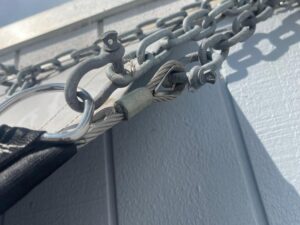
4. Review All Hardware and Connection Points
Hardware is often the most neglected part of shade sail maintenance.
Yet it carries an enormous load pressure every single day.
Every audit should inspect:
- Turnbuckles
- Shackles
- Eye bolts
- Chain connections
- Plate fixings
- Corner fittings
Signs of concern include:
- Rust
- Elongated holes
- Bent fittings
- Thread wear
- Loose locking systems
- Hairline cracking
Melbourne’s changing weather conditions accelerate metal fatigue more than many people expect.
Hardware near schools and public spaces should also be checked for tampering or accidental damage. Children climbing structures or repeated impact from sporting equipment can gradually loosen fittings over time.
5. Assess Shade Coverage During Peak UV Hours
This is where many audits become genuinely useful.
A structure may technically provide shade while still failing to protect the areas that matter most.
Instead of assessing coverage at random times, audits should focus on:
- Midday sun position
- Peak UV periods
- Seasonal sun angle changes
- High-use outdoor times
For schools, this usually means observing areas during:
- Morning recess
- Lunch breaks
- Outdoor learning sessions
For businesses:
- Midday dining periods
- Customer waiting times
- Afternoon outdoor occupancy
The best audits don’t just ask:
“Is there shade?”
They ask:
“Is the shade actually where people need it most?”
This is one reason many schools eventually upgrade to larger or overlapping systems, such as those discussed in ShadeScape’s school and playground shade guide.
6. Evaluate UV Protection and Outdoor Comfort
Not all shade performs equally.
Different fabrics provide different levels of:
- UV filtration
- Heat reduction
- Airflow
- Glare reduction
High-quality HDPE fabrics can block up to 98% of harmful UV rays while still allowing ventilation.
But comfort matters too.
A technically shaded area can still feel unpleasant if:
- Heat becomes trapped
- Air circulation is poor
- Reflection from nearby surfaces increases glare
- Coverage angles are ineffective
This becomes important in:
- Childcare environments
- Outdoor classrooms
- Hospitality venues
- Public seating areas
Good shade design is really about creating usable outdoor environments, not simply blocking sunlight.
7. Check Waterproofing and Drainage Before Summer Storms
Waterproof systems need particularly careful inspection before summer.
The biggest issue?
Ponding.
When water pools in low sections, the sail carries enormous additional weight. Over time, this:
- stretches fabric,
- weakens seams,
- strains anchor points,
- and shortens lifespan dramatically.
A proper shade audit checklist should assess:
- Drainage angle
- Tension integrity
- Water flow direction
- Overflow risk
- Nearby guttering
- Leaf accumulation
According to ShadeScape’s installation guidance, sails should be installed with an adequate incline to encourage runoff and reduce structural stress.
Flat waterproof sails are among the most common long-term maintenance problems.
8. Inspect Trees, Debris, and Environmental Risks
Environmental damage often goes unnoticed until summer arrives.
Overhanging trees may:
- drop branches,
- trap moisture,
- increase mould growth,
- scratch fabric,
- or reduce tension performance.
Bird activity can also accelerate deterioration around high points and corners.
This part of the audit should review:
- Nearby vegetation
- Drainage obstruction
- Organic build-up
- Mould or mildew
- Leaf accumulation
- Branch clearance
Many property owners are surprised by how much lifespan can be extended simply through better surrounding maintenance.
FAQs
What is a shade audit checklist?
A shade audit checklist is a structured assessment used to evaluate the safety, effectiveness, UV protection, and condition of outdoor shade structures before periods of heavy summer use.
How often should shade sails be inspected?
Most professionals recommend a visual inspection every few months, with more detailed structural reviews after storms or periods of high wind exposure.
What are the signs a shade sail needs repair?
Common warning signs include:
- sagging,
- fraying,
- rusted hardware,
- loose tension,
- fading fabric,
- pooling water,
- and movement in support posts.
Are shade audits important for businesses as well as schools?
Absolutely. Outdoor dining areas, customer seating zones, sports venues, and public gathering areas all benefit from regular shade sail inspections and preventative maintenance.
Can old shade sails still provide UV protection?
Not always. Older fabrics may appear visually intact while losing UV-blocking performance over time due to prolonged sun exposure.
What’s the difference between a shade audit and a structural engineering inspection?
A shade audit reviews coverage, condition, and maintenance issues, while a structural engineering inspection focuses specifically on load-bearing safety and compliance.
Prepare Your Outdoor Spaces Before Summer Arrives
The best time to identify shade problems is before the first major heatwave hits.
By the middle of summer, repair schedules become busier, replacement lead times increase, and minor issues often become expensive ones.
A proper shade audit checklist helps schools and businesses:
- improve outdoor safety,
- reduce long-term repair costs,
- extend the shade sail lifespan,
- improve user comfort,
- and maintain safer outdoor environments during Australia’s harshest months.
More importantly, it gives property owners confidence that their outdoor spaces are genuinely ready for heavy summer use, not just visually presentable.
For schools, childcare centres, sports facilities, and commercial properties across Melbourne, preventative maintenance almost always costs less than emergency repairs.
Book a professional shade audit with ShadeScape today and give your people safer, cooler, more comfortable outdoor spaces this summer.
Contact ShadeScape now to arrange your shade sail inspection in Melbourne.