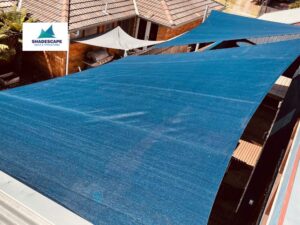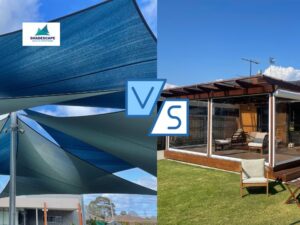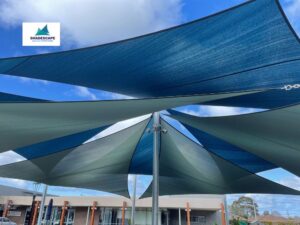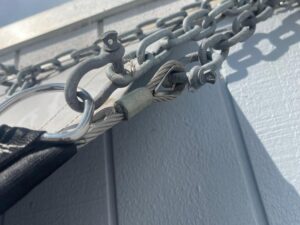

Most people think this decision is just about fabric.
It is not.
The real question is what the space needs to do. Some outdoor areas need reliable rain protection. Others need stronger airflow, softer light, and better comfort in hot weather. That is why choosing between waterproof shade sails vs breathable shade sails should be based on performance, not just product labels.
If the area needs to stay dry, waterproof fabric usually makes more sense. If the priority is cooling the space without making it feel closed in, breathable fabric is often the better fit. The difference matters because once the sail is installed, the outdoor area either feels right or it does not.
In this guide, you will learn:
- what makes waterproof shade sails different from breathable shade sails
- where each option works best
- how filtered light, airflow, and runoff affect comfort
- which fabric suits patios, pools, walkways, schools, and entertaining areas
- what people often misunderstand before they install
- how to choose the right sail for long-term outdoor use
What Waterproof Shade Sails Actually Do Well
A waterproof sail is designed to do more than create shade.
It is designed to prevent rain from passing through the fabric, making it a stronger option when the space below needs to stay both dry and shaded. That changes the role of the sail entirely. It is not just overhead cover. It is a weather cover.
That also means a waterproof sail should never be thought of as something that is meant to hold water. A good setup is designed so that water runs off properly. If the slope, tension, or runoff planning is wrong, pooling can become a real problem.
Waterproof shade sails are strongest when the space needs:
- dependable rain protection
- drier outdoor use in changing weather
- better cover for furniture or vehicles
- more shelter over walkways
- stronger all-weather functionality
If you are specifically looking at weather-ready options, waterproof shade sails are the clearest place to start on the Shadescape site.
Quick takeaway: Waterproof sails work best when keeping the area dry matters just as much as creating shade.
Where Waterproof Shade Sails Make the Most Sense
Some outdoor spaces need more than summer comfort.
They need to stay functional in mixed weather. That usually applies to outdoor dining areas, BBQ zones, carports, walkways, entry zones, and commercial spaces where regular use continues even in the weather changes.
This is also where a heavy duty waterproof shade sail becomes especially relevant. In practical terms, it suits areas where stronger weather cover and more durable performance matter more than a breezy open-air feel.
Waterproof fabric usually suits:
- patios used for dining
- outdoor entertaining spaces
- carports
- walkways
- commercial seating zones
- areas where keeping furniture dry matters
If cost is part of the decision, the shade sails pricing guide helps set expectations before choosing between breathable and waterproof options.
Quick takeaway: Waterproof fabric is usually the stronger option when the space is expected to stay dry and usable in wet weather.
What Breathable Shade Sails Do Differently
Breathable sails are designed with hot-weather comfort in mind.
Instead of sealing off the space, they allow air to move through the fabric. That helps reduce heat build-up underneath and often makes the area feel cooler and more comfortable during strong sun.
They also allow some filtered light through. That can make a real difference to how the space feels. Instead of creating a heavy covered effect, breathable fabric usually keeps the area brighter, softer, and more open.
What it does not do is provide full rain cover. It can still offer strong UV protection, but it is not meant to keep an outdoor area fully dry in proper rain. To understand differences in material performance, the materials shade sails are made from are a useful reference.
Breathable shade sails are often chosen for:
- stronger airflow
- a cooler feel underneath
- open-air comfort
- bright, usable outdoor spaces
- poolside areas
- courtyards, gardens, and play spaces
Quick takeaway: Breathable sails are usually better when the goal is cooler shade and a more open feel rather than full weather cover.
Where Breathable Shade Sails Work Best
Breathable sails make the most sense where the outdoor area needs relief from harsh sun, but does not need to stay dry all the time.
That usually includes patios, courtyards, gardens, school play areas, parks, and pool zones. In these settings, comfort often comes from ventilation and filtered brightness rather than heavier shelter.
A breathable shade sail for pool areas is a good example. Around a pool, people usually want sun protection without losing the open, airy feel of the space.
Breathable fabric usually suits:
- open patios
- pool areas
- school and childcare play spaces
- courtyards
- gardens
- spaces where brightness and ventilation matter
If you are still comparing layouts and use cases, choosing the right shade sails for your outdoor space can help narrow down which type suits the area best.
Quick takeaway: Breathable sails work best in space should feel cooler, brighter, and less enclosed.
Waterproof Shade Sails vs Breathable Shade Sails: The Trade-Offs That Actually Matter
This is where the decision becomes easier.
The fabric names matter less than the trade-offs.
Rain protection
This is the clearest difference. Waterproof sails are designed to keep rain out. Breathable sails are not. If the area must stay dry, waterproof is usually the better choice.
Airflow
Breathable sails let air pass through more easily, which helps reduce heat build-up. Waterproof sails block more completely, which is helpful in rain but can make the space feel warmer underneath if airflow is limited.
Filtered light
Breathable fabric allows softer natural light through, which keeps the area brighter and lighter. Waterproof fabric gives a stronger covered feel.
Wind response
Breathable sails usually feel less resistant to moving air because wind can pass through the fabric. Waterproof sails behave more like a barrier, which makes slope, fixings, and structural support more important.
Maintenance
Both can be practical, but waterproof fabric is often chosen where easy surface cleaning and stronger weather protection matter. Breathable sails can still be low-maintenance, but the surrounding and exposure level make a difference.
Quick takeaway: Waterproof usually wins on weather cover. Breathable usually wins on ventilation, filtered light, and hot-weather comfort.
Which Fabric Works Best for Different Outdoor Spaces?
The best answer depends on how the space is used every day.
Best for patios
A waterproof shade sail for patios makes sense when the patio is used for dining, entertaining, or protecting furniture in mixed weather.
If the patio mainly needs relief from harsh sun and should still feel open and breathable is often the better option.
Best for pool areas
A breathable shade sail for pool areas is usually the stronger fit because pools benefit more from cooling airflow and open brightness than from full rain cover.
Best for schools and childcare settings
Breathable sails often make more sense in active outdoor spaces where ventilation, brightness, and a cooler feel matter more than keeping the ground dry. That is why school-focused shade planning often starts with comfort and openness, as shown by installing the shade sails in school playgrounds.
Best for carports and walkways
Waterproof fabric is usually the more practical choice because the goal is broader weather protection, not just shade.
Best for outdoor dining
If guests, furniture, and regular use need more reliable protection, waterproof is the better answer.
Quick takeaway: The best shade sail for different outdoor spaces depends on whether the area needs dryness, airflow, filtered light, or a combination of those.
The Mistakes People Make Most Often
This is where a lot of bad choices begin.
Choosing waterproof when the real issue is trapped heat
A waterproof sail can sound like the stronger upgrade, but if the main problem is summer discomfort, it may create a heavier feel than the space actually needs.
Choosing breathable fabrics when dryness is essential
This is the opposite mistake. Breathable fabric performs very well in the sun, but it is not the right answer if the space is expected to stay dry during rain.
Ignoring runoff and pooling
This matters most with waterproof sails. Water should run off the fabric, not collect on it. That is why the install details matter so much.
If long-term performance matters, regular checks are just as important as the initial install, which is why the benefits of regular shade sail inspections are a useful follow-up page here.
Choosing by appearance before performance
A sail can look ideal in a design reference and still be the wrong choice for how the space behaves in real weather.
Quick takeaway: Most poor decisions happen when the buyer starts with the fabric label instead of the job the sail needs to do.
Why This Choice Matters for Shadescape Customers
This topic fits Shadescape well because it is not just theoretical.
The site already covers waterproof installations, material guidance, inspections, pricing, and decision-making around shade sails. That means Shadescape is in a strong position to help readers understand which fabric suits their outdoor space, instead of pushing a one-size-fits-all answer.
That matters because a good comparison article should do more than explain terms. It should help the reader make a better decision with more confidence.
Quick takeaway: The best comparison content removes confusion and makes the next step easier.
FAQs About Waterproof Shade Sails vs Breathable Shade Sails
Are waterproof shade sails hotter underneath?
They can feel warmer because they do not let air move through the fabric in the same way breathable sail does.
Do breathable shade sails let sunlight through?
Yes, but as filtered light, not harsh direct sun. That is part of what makes them feel brighter and more open.
Can breathable shade sails protect from rain?
Not like waterproof sails. They may soften light exposure to weather, but they are not designed to keep an area fully dry.
Do waterproof shade sails need a slope?
Yes. Proper fall and tension are important because they allow water to drain away rather than pooling.
Which shade sail is better, waterproof or breathable?
Neither is better in every situation. Waterproof is better for keeping a space dry. A breathable sail is often better for airflow, brightness, and summer comfort.
Final Verdict
If the area needs to stay dry, waterproof is a good choice.
If the area needs to stay cooler, brighter, and more open in strong sun, breathable is usually the better choice.
That is the clearest answer to the which shade sail is better waterproof or breathable question. The better fabric is the one that matches how the space is actually used.
Ready to Choose the Right Shade Sail?
If you are comparing waterproof shade sails vs breathable shade sails for a patio, pool area, carport, school, or outdoor entertaining space, do not choose by label alone.
Choose by performance.
Talk to Shadescape for a tailored quote and get a shade sail solution designed around comfort, coverage, drainage, airflow, and the way your outdoor space is actually used.