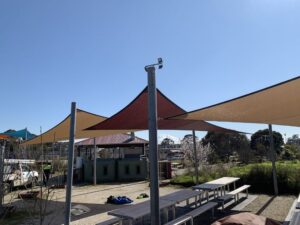

When planning an outdoor space, the choice of shade sails colour plays a far more important role than most people realise. It is not just about visual appeal, it directly influences heat reduction, comfort, and overall usability of the area. Whether you are designing a school playground, a commercial outdoor seating area, or a residential backyard, selecting the right colour can transform both the temperature and the atmosphere of your space.
In regions like Melbourne, where weather conditions can shift from intense sun to cooler breezes, the right shade sail solution becomes essential. Businesses like Shadescape Sails & Structures understand how colour, fabric, and installation work together to deliver both performance and style.
How does shade sails colour affect heat reduction?
The impact of shade sails colour on heat is rooted in how different colours absorb and reflect sunlight. Darker shades tend to absorb more heat, while lighter colours reflect more sunlight and stay cooler underneath.
However, the story does not end there. Modern UV protection shade sails are engineered with high-density fabrics that block harmful ultraviolet rays regardless of colour. The difference lies in surface temperature and ambient heat beneath the sail.
For example:
- Dark colours like charcoal and navy absorb more heat but often provide better glare reduction.
- Light colours like white, cream, and beige reflect sunlight and create a cooler shaded environment.
- Mid-tone colours offer a balance between aesthetics and heat performance.
This is why choosing the right colour is not only about preference but about how the space will be used throughout the day.
The Science Behind Heat Absorption and Reflection
Understanding the basics of light interaction can help you make an informed decision. When sunlight hits a surface, three things happen: reflection, absorption, and transmission.
- Light colours reflect a higher percentage of solar radiation.
- Dark colours absorb more radiation, increasing surface temperature.
- High-quality fabrics minimise heat transfer even when darker colours are used.
This is particularly important for shade sails for schools and parks, where children spend extended periods outdoors. Cooler shaded areas significantly improve comfort and safety.
Choosing the Right Colour for Different Applications
Residential Spaces
For homes, aesthetics often take priority alongside comfort. Lighter shades such as sand, ivory, and light grey blend seamlessly with outdoor landscapes while keeping areas cooler.
If you are exploring options for your backyard, consider reviewing Residential Shade Sails to align your design with both function and style.
Commercial Areas
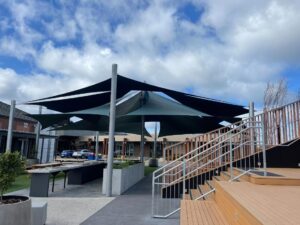
In commercial environments, branding and durability matter just as much as performance. Darker tones often create a modern, premium look and reduce visible dirt over time.
For businesses investing in durable commercial shade structures, the right colour can enhance customer experience while maintaining a professional appearance.
You can explore tailored solutions through Commercial shade Sails to match your business identity.
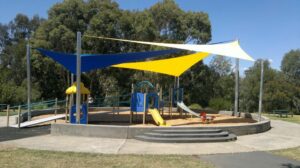
Schools and Public Parks
Safety and comfort are critical in public spaces. Light and mid-tone colours are commonly preferred as they:
- Reduce heat build-up
- Improve visibility
- Create a welcoming environment
How colour influences aesthetics and design appeal
Colour is one of the most powerful design elements. It shapes how people feel in a space and how they interact with it.
A well-thought-out custom shade sail design considers:
- Surrounding architecture
- Landscape colours
- Intended mood of the space
- Brand identity for commercial projects
For instance:
- Neutral tones create a calm and elegant atmosphere
- Bold colours can make a space vibrant and energetic
- Layered colour combinations add depth and architectural interest
To better visualise design possibilities, you can review our previous projects and see how different colour combinations have been used effectively.
Popular Shade Sail Colours and Their Benefits
| Colour | Heat Performance | Aesthetic Appeal | Best Use Case |
|---|---|---|---|
| White | Excellent | Clean & modern | Schools, patios |
| Beige/Sand | Very Good | Natural & warm | Residential areas |
| Grey | Good | Contemporary | Commercial spaces |
| Charcoal | Moderate | Premium look | Cafés, offices |
| Blue/Green | Good | Vibrant | Parks & playgrounds |
Factors to consider when selecting shade sail colour
Choosing the right colour involves more than just preference. A few practical considerations include:
- Sun exposure throughout the day
- Purpose of the shaded area
- Surrounding materials and colours
- Maintenance requirements
- Desired temperature reduction
If you are unsure, consulting a professional shade sail installation company Melbourne like Shadescape Sails & Structures ensures you get the best balance between performance and design.
You can also explore insights and ideas through Relevant blogs to guide your decision-making process.
Installation and colour performance go hand in hand
Even the best colour choice will not perform well without proper installation. Angle, tension, and positioning all influence how effectively a shade sail blocks sunlight.
A poorly installed sail may allow excessive sunlight penetration, reducing the benefits of even the most reflective colours.
This is why working with experts like Shadescape Sails & Structures is essential. Their experience ensures that both the structure and colour work together for maximum efficiency.
Maintenance considerations based on colour
Colour also affects how much maintenance your shade sail will require over time.
- Light colours may show dirt and stains more easily but stay cooler
- Dark colours hide dirt better but may retain more heat
- Regular cleaning extends lifespan regardless of colour
To keep your installation in optimal condition, it is important to follow proper care practices outlined in Shade Sails Maintenance.
Why professional guidance makes a difference
Selecting the right shade sail involves multiple variables. From fabric type to colour selection and installation, each element contributes to the final result.
Shadescape Sails & Structures offers tailored solutions that consider:
- Climate conditions
- Space functionality
- Visual appeal
- Long-term durability
If you are planning a project, reaching out through contact us ensures you receive expert advice suited to your specific needs.
Conclusion
The choice of shade sails colour is a crucial decision that impacts both heat reduction and visual appeal. While lighter colours generally provide cooler shaded areas, darker tones offer aesthetic advantages and durability benefits. The key lies in balancing function with design based on your specific environment and usage.
Whether for residential comfort, commercial branding, or public safety, the right colour enhances both performance and experience. By working with experienced professionals like Shadescape Sails & Structures, you can ensure that your shade solution delivers lasting value, comfort, and style.
FAQs
1. Which shade sail colour is best for reducing heat?
Lighter colours such as white and beige are most effective at reflecting sunlight and keeping areas cooler.
2. Do darker shade sails provide better UV protection?
UV protection depends on fabric quality rather than colour, although darker shades may reduce glare more effectively.
3. Are coloured shade sails suitable for schools?
Yes, especially lighter and mid-tone colours that improve comfort and visibility in outdoor learning and play areas.
4. How long do shade sail colours last?
High-quality shade sails maintain their colour for many years, especially when properly maintained and cleaned regularly.
5. Can I customise the colour of my shade sail?
Yes, with a proper custom shade sail design, you can choose colours that match your space and functional needs.