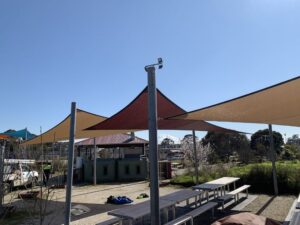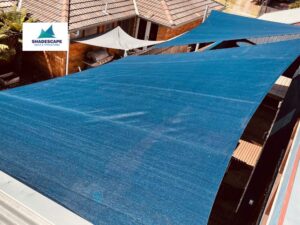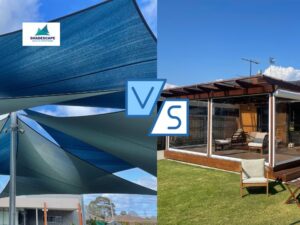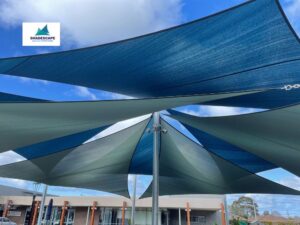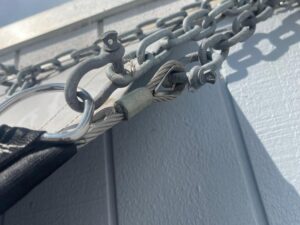

Installing shade sails in high wind areas begins with understanding the site rather than the weather forecast. Wind is only one part of the equation. The surrounding landscape, building orientation, elevation and structural design all influence how a shade sail performs once it is under tension. These factors often have a greater impact on long-term performance than wind speed alone.
A well-designed shade sail responds to its environment instead of resisting it. Decisions around wind loads, structural support, fabric selection and fixing methods work together to determine how the structure behaves over time. Understanding these principles before installation allows property owners to make informed decisions that improve durability, safety and the long-term usability of their outdoor space.
Wind Is a Design Consideration, Not a Deal Breaker
Strong winds don’t automatically make a site unsuitable for a shade sail. In many cases, performance is determined by how the structure responds to its surroundings rather than the conditions themselves. Wind behaves differently as it moves around buildings, trees and open spaces, creating localised pressure that can vary significantly across the same property. Designing for these site-specific conditions is far more effective than relying on heavier materials or stronger hardware alone.
Every successful installation begins with understanding how the site will influence the structure over time. Factors such as sail geometry, support locations, anchor points and the direction of prevailing winds all contribute to how loads are transferred through the system. When these decisions are made early, a shade sail in wind becomes a predictable engineering solution rather than a compromise driven by weather.
How Wind Interacts with a Shade Sail
Wind doesn’t place the same amount of pressure across an entire shade sail. As air moves around the structure, the forces constantly change depending on the site’s layout, wind direction and the sail’s geometry. Instead of pushing from a single direction, wind creates several types of loading that the structure must manage simultaneously.
Understanding these forces makes it easier to appreciate why every component of the system matters.
- Uplift– Air flowing beneath the sail can create an upward force that places additional stress on fixings and support posts.
- Tension– A correctly tensioned sail distributes wind loads more evenly across the fabric, reducing unnecessary movement and improving structural stability.
- Pressure Zones– Wind rarely strikes the entire sail evenly. Different areas of the fabric can experience varying levels of wind pressure simultaneously, especially in exposed locations.
- Load Transfer– The forces generated by the fabric are transferred through the anchor points, hardware and supporting structure. If one component is undersized or poorly installed, it can affect the performance of the entire system.
These principles explain why two installations using the same fabric can perform very differently. Wind performance is influenced by the complete structural system rather than any single component.
The Design Decisions That Have the Greatest Influence on Wind Performance
A shade sail’s ability to perform in windy conditions is shaped long before installation begins. The following design decisions have the greatest influence on how the structure responds over time.
- Sail Geometry
The shape of the sail influences how air moves across its surface. Well-designed curves and varying fixing heights help maintain consistent tension while encouraging wind to flow around the structure instead of becoming trapped beneath it.
Why it matters
- Improves structural stability.
- Reduces excessive fabric movement.
- Promotes more even load distribution.
- Fabric Selection
Not every shade sail fabric behaves the same under changing weather conditions. Breathable knitted fabrics allow air to flow through the material, while waterproof membranes create a different structural response by resisting both wind and rain.
Consider before choosing
- Expected wind exposure.
- Rainfall requirements.
- Maintenance expectations.
- Intended use of the space.
- Support Structure
A shade sail performs as a complete structural system. The fabric may be the most visible component, but the supporting posts, anchor points and connection hardware are responsible for transferring wind loads safely into the structure.
A strong design requires
- Appropriately engineered support posts.
- Secure fixing locations.
- Quality hardware.
- Correct installation methods.
- Site Exposure
Two properties only a few kilometres apart can experience very different wind conditions. Open landscapes, elevated blocks and coastal environments are generally exposed to stronger and more consistent airflow than sheltered courtyards surrounded by buildings or vegetation.
Site characteristics worth assessing
- Prevailing wind direction.
- Building orientation.
- Changes in ground level.
- Nearby structures.
- Existing trees and landscaping.
- Installation Quality
Even the best materials cannot compensate for poor installation. Correct tensioning, accurate positioning and attention to structural details all influence how efficiently the system performs throughout its service life.
Consultant’s Perspective:
Many long-term performance issues are not caused by extreme weather. In many cases, these problems are often caused by minor compromises during installation that only become noticeable after the structure has been exposed to repeated wind cycles over several seasons.
Common Design Mistakes That Reduce Wind Performance
Wind-related problems are often linked to design decisions rather than extreme weather. Many issues develop gradually, with repeated movement placing unnecessary stress on the structure long before visible damage appears.
Design choices that deserve closer attention
| Design Mistake | Why It Matters |
| Insufficient tension | A loose sail moves more freely in the wind, increasing fabric movement and placing repeated stress on the anchor points and connection hardware. |
| Flat installation | Installing a shade sail without sufficient height variation can reduce water runoff and limit across the fabric, increasing structural loads during adverse weather. |
| Oversized spans | Larger spans generate greater forces. Without appropriate engineering, the supporting structure may experience higher loads than originally intended. |
| Weak fixing locations | Posts, walls, and other supporting structures must be capable of safely transferring wind loads. Strong fabric cannot compensate for inadequate support. |
| Ignoring site conditions | Every property has unique exposure. Failing to consider prevailing winds, surrounding buildings, and landscape features can affect long-term performance. |
Professional Insight
A shade sail’s performance doesn’t depend by a single component. Small compromises across several areas such as tensioning, fixing methods and sail geometry can combine to reduce the reliability of the entire system over time.
Are Waterproof Shade Sails the Right Choice for Windy Conditions?
Choosing between breathable and waterproof shade sails involves more than deciding whether rain protection is required. Each fabric responds differently to environmental loads, meaning the most suitable option depends on how the space will be used and the conditions it will face throughout the year.
Rather than asking which material is better, it helps to understand the trade-offs.
| Consideration | Breathable Shade Fabric | Waterproof Shade Fabric |
| Airflow | Allows air to pass through, helping reduce wind pressure. | Restricts airflow, which can increase wind forces on the structure. |
| Rain Protection | Filters sunlight but does not provide complete protection from rainfall. | Creates a dry area beneath the sail when designed with adequate fall and drainage. |
| Structural Demand | Generally places lower wind loads on the supporting structure. | Requires greater consideration of water runoff, tension and structural support. |
| Typical Applications | Playgrounds, schools, parks and open recreational spaces. | Outdoor dining areas, entryways and spaces where shelter from rain is equally important. |
The right choice is rarely determined by the fabric alone. A waterproof shade sail can perform successfully in exposed locations when the supporting structure, drainage, and installation are engineered to meet the additional demands. Likewise, a breathable fabric may be the more practical solution where ventilation and reduced wind pressure take priority over rain protection.
Planning Tip
Fabric selection should always follow the site’s functional requirements and structural design—not the other way around. Selecting a material before considering wind exposure, drainage and support conditions can lead to compromises that are difficult to correct later.
Designing for Coastal and Exposed Locations
A shade sail that performs well in a sheltered suburban garden may not be suitable for an exposed coastal property or an elevated site. While both locations may use the same structural system, the environmental demands are rarely the same. Wind is often more consistent in open areas, while salt-laden air can gradually affect the condition of steel components, connection hardware and protective finishes.
When planning a shade sail in high wind areas, it’s worth evaluating the site before deciding on materials or structural details. Small environmental differences often influence long-term performance more than many property owners expect.
Site conditions worth assessing
- Coastal exposure– Salt carried by sea air can accelerate corrosion if the appropriate hardware and protective finishes are not specified.
- Elevation– Properties on ridgelines or higher ground are generally exposed to stronger and more consistent wind than lower, sheltered locations.
- Open landscapes– Parks, sports facilities and rural properties often experience uninterrupted airflow, increasing the importance of structural design and sail geometry.
- Surrounding buildings and vegetation– Nearby structures and mature trees can either reduce wind exposure or create turbulence, changing how air moves across the shade sail.
Professional Insight
Even projects in the same suburb can require different design approaches because exposure depends on the immediate surroundings, not the postcode. Assessing the site itself is far more valuable than relying on regional weather patterns alone.
This local assessment provides the foundation for another important decision: whether standard design practices are sufficient and if professional engineering becomes an essential part of the project.
When Professional Engineering Becomes Essential
Not every shade sail project requires the same level of structural design. A small residential installation may have very different engineering requirements to a large commercial shade structure covering a school playground or public gathering space. As the size, complexity and expected use of the structure increase, so does the importance of ensuring that loads are safely transferred through the supporting system.
Rather than relying on assumptions, it’s worth assessing the project’s scope before deciding whether engineering input is needed.
Projects where professional engineering is typically recommended
| Project Type | Why Engineering Matters |
| Schools and Childcare Centres | High daily occupancy and duty of care require structures designed for long-term safety, durability and compliance. |
| Commercial Properties | Larger spans and increased public use often demand greater structural capacity and more detailed design. |
| Public Parks and Community Spaces | Shade structures exposed to constant public use benefit from engineering that considers long-term performance and maintenance. |
| Coastal or High Wind Locations | Environmental exposure can increase structural demands, making site-specific design more important than standard installation methods. |
| Large Custom Shade Sails | As spans increase, so do the forces acting on the fabric, anchor points and supporting framework, requiring careful structural assessment. |
Consultant’s Perspective
Engineering is rarely about making a structure stronger than necessary. Its purpose is to ensure every component works together under the conditions the site is expected to experience throughout its service life. That often leads to a more efficient design—not simply a heavier one.
Good engineering doesn’t begin with calculations. It begins with understanding the site, defining how the space will be used and recognising the environmental conditions the structure will experience over many years. Those considerations provide a far more reliable foundation than designing around today’s weather forecast.
FAQs
Can a shade sail withstand strong winds?
Yes, provided the structure has been designed for the site’s conditions. Wind performance depends on factors such as sail geometry, structural support, anchor points, fabric selection and installation quality, rather than the strength of the fabric alone.
Does the shape of a shade sail affect wind performance?
It does. Different sail geometries influence how air moves across the fabric and how loads are distributed throughout the structure. The most appropriate shape depends on the site’s layout, the available fixing locations, and the intended use of the space rather than aesthetics alone.
Should a shade sail be removed before severe weather?
That depends on the type of installation. Some temporary or seasonal shade sails are intended to be removed during severe weather, while permanently installed systems are generally engineered to remain in place under their specified design conditions.
Are triangular shade sails better than square shade sails in windy areas?
Neither shape is universally better. Performance is influenced by the overall design, tensioning and structural support rather than the number of corners. A well-designed quadrilateral sail can outperform a poorly designed triangular sail, just as a well-designed triangular sail can outperform a poorly designed quadrilateral sail.
Can an existing wall or structure support a shade sail?
Not always. Existing structures should be assessed to ensure they can safely transfer the expected wind loads.The suitability of a wall, beam or fascia depends on its construction, condition and the forces the proposed installation will generate.
Conclusion
A shade sail performs best when every decision is made with the site in mind. Wind exposure, structural design, fabric selection and installation quality all influence how the system performs over time. Looking beyond the product itself and understanding these principles helps create outdoor spaces that are safer, more durable and better suited to their intended use.
At ShadeScape, every project begins with understanding the environment before recommending a solution. Whether you’re planning shade for a home, school, childcare centre, commercial property or public space, our team can help you develop a design that reflects the unique conditions of your site. Contact ShadeScape today to discuss your project and receive expert advice on designing a shade solution built for long-term performance.