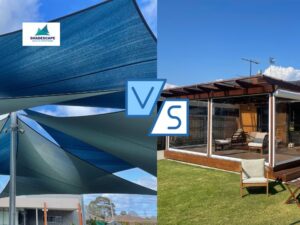
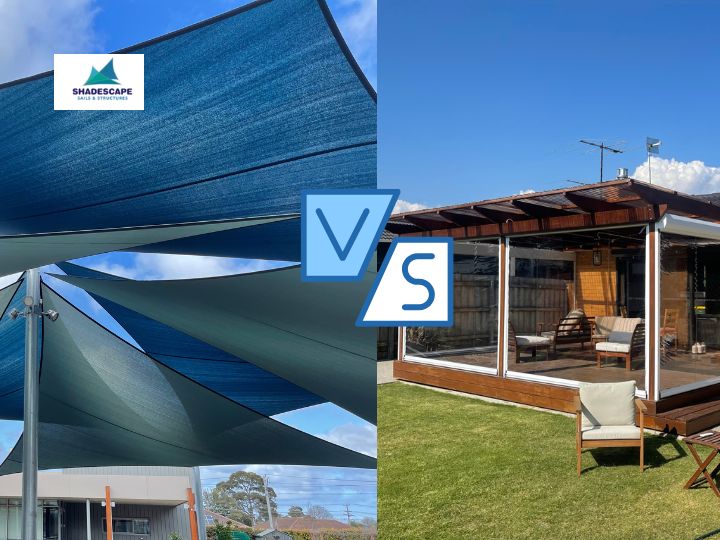
If you’re trying to reclaim a sun-baked patio before summer hits, you’re probably weighing up a classic Australian backyard decision: shade sails vs pergolas. Which one actually offers the best value, cooling, and longevity?
Choosing an outdoor shade solution in Melbourne or Geelong isn’t just about looks. You’re also factoring in our “four seasons in one day” weather, council rules, and the real costs of heavier construction. We’ve seen this come up a lot in bayside and south-east pockets like Brighton East and Mount Eliza, where larger blocks and pools make the shade sail vs pergola decision especially common. Below, we’ve broken down how a custom shade sail compares with a solid-roofed pergola, so you can make the call with your eyes open — including where a pergola is still the better fit.
The Quick Comparison: Cost, Installation Time, and Performance
If you want the short version, here’s how cost and installation time stack up against each other, alongside weather, wind performance, and lifespan.
| Feature | Custom Shade Sails | Solid-Roofed Pergola (Verandah) |
| Average cost* | Typically a few thousand dollars for a single residential sail, depending on size and fabric | Often tens of thousands, once roofing, framing and labour are included |
| Build time | Usually installed within 1–2 days once manufactured | Can take weeks on-site |
| Council permits | Often exempt under Victoria’s rules for shade structures (see below) | Needs a building permit, because a roofed structure is classed as a verandah |
| Heat trapping | Breathable mesh lets rising hot air escape | A solid roof can trap heat, especially with polycarbonate |
| UV protection | Up to 98% UV block percentage with quality shade fabric | 100% block with a solid roof, but the space loses natural light |
| Lifespan | Typically 10–15 years before the fabric needs replacing | Decades, since it’s a permanent structure |
| Full weather enclosure | No — sides are open, so wind-driven rain can still get in | Yes, if walled; a roof alone still leaves the sides open |
*Get an exact figure for your site with a free measure and quote — costs vary with size, fabric, posts and access.
Managing the Melbourne “heat trap”
A common complaint after spending tens of thousands of dollars on a timber or steel pergola with a polycarbonate roof is that it turns into a hot box by January. A solid roof traps rising heat, so sitting underneath it during a heatwave can be uncomfortable.
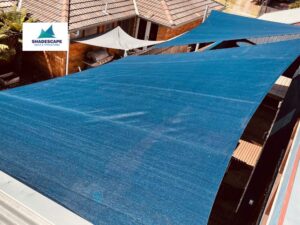
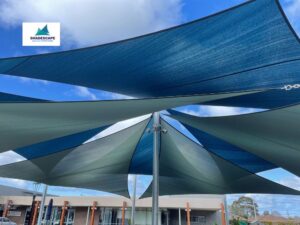
Shade sails made from high-density polyethylene (HDPE) work differently. The breathable mesh lets hot air escape through the fabric while offering a 98% UV block percentage, keeping the space noticeably cooler. We use the same commercial-grade shade knit fabrics on backyard jobs as we do on school and council projects. That’s part of why shade sails for swimming pools are such a popular choice, where a solid timber structure would also be more exposed to humidity and pool chemicals.
The trade-off: that same breathability means a shade sail won’t fully seal out wind-driven rain the way a roofed structure can, and the fabric itself has a shorter working life than a permanent roof — expect to replace it roughly every 10 to 15 years. If you want year-round, fully enclosed shelter and you’re not as concerned about heat build-up, a pergola or verandah may still suit you better.
Council permits: the hidden cost of a solid roof
If you’re planning a solid-roofed structure, Victoria’s building rules classify it as a verandah once it has a roof, so you’ll almost always need a building permit, regardless of size.
Shade sails are treated differently. Under Victoria’s local council approval requirements, a pergola or shade structure doesn’t need a building permit provided it’s no more than 3.6m high, covers no more than 20m² and meets the siting requirements — so an unroofed, permeable structure like a sail or an open pergola can often avoid the permit process a verandah requires. It’s worth checking your specific design against those limits, since a sail with a tall corner post or a larger span can tip it back into permit territory. On jobs that do need sign-off, we handle the engineering certification and liaise with a building surveyor on your behalf. We’ll check what applies to you as part of your free measure and quote.
Does a shade sail make your house darker?
Natural light is another key consideration. Installing a heavy timber or solid roof directly outside your living room or kitchen windows will noticeably darken your home. A well-designed shade sail diffuses harsh glare without blocking out all natural light, so your living areas stay bright while your outdoor furniture is still protected from fading.
Where each option works best
A shade sail isn’t just for the backyard. We regularly design them to provide carports with reliable vehicle protection from sun and hail, and to turn an unused side yard into a detached alfresco dining zone. If you want a fully enclosed, year-round outdoor room instead, custom pergolas — whether a timber or steel pergola build — are still the best option, especially if you want walls or screens alongside a roof.
If waterproofing is the priority either way, we can also pair a sail with a waterproof PVC tension membrane rather than mesh, so you get a shade sail that behaves more like a solid roof without the full verandah cost or permit.
Why engineering matters
It’s easy to assume a shade sail is just fabric tied to a fence. It isn’t — a properly installed one is an engineered structure.
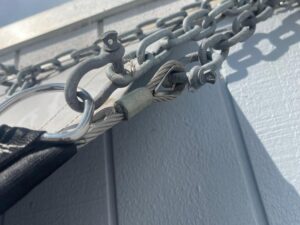
As registered commercial builders with over 10 years of experience, we don’t install cheap DIY kits that tear in a storm. A proper installation means calculating wind loads, pouring concrete footings, and using steel posts and solid hardware so the structure holds up through Victorian weather. We apply the same engineering approach to your backyard sail as we do on our commercial projects.
Frequently Asked Questions
Which is cheaper, shade sails or pergolas?
Shade sails are usually significantly cheaper, both in materials and labour, and they’re more likely to avoid council permit costs. A solid-roofed pergola (verandah) involves more materials, more labour and, in almost all cases, a building permit.
Do shade sails handle strong wind?
Yes, provided they’re engineered properly. The permeable mesh allows air to pass through rather than catching it like a sail in the wind-resistance sense. Anchored to steel posts with concrete footings, a well-designed shade sail is built to handle Victorian conditions.
Will a shade sail trap heat like a polycarbonate roof?
No. Polycarbonate traps rising heat underneath it. A breathable shade sail lets that hot air escape through the fabric, keeping the space noticeably cooler on a hot day.
Can I use a shade sail over a swimming pool instead of a pergola?
Yes — shade sails for swimming pools are a popular choice because they can span large areas without extra posts in the middle, and they don’t suffer the rust or rot that timber or steel can near pool chemicals. We install a lot of these over larger pool areas in suburbs like Brighton East and Mount Eliza.
What UV protection do your fabrics offer?
Our premium fabrics offer up to 98% UV block, while still letting some natural light filter through.
Do shade sails need a building permit in Victoria?
Often not, if the sail stays within Victoria’s exemption limits: no more than 3.6m high, no more than 20m² in area, and meeting siting requirements. Larger or taller sails, or sails on anything other than a house, may still need one. We check this for every job during the free measure and quote.
Ready to cool down your outdoor space?
Don’t let the summer sun chase you inside — and don’t wait months for a council permit if you don’t have to.
Our team of registered builders designs and installs engineered shade sails across Melbourne and Geelong, including bayside and south-east areas like Brighton East and Mount Eliza. Get in touch for a free measure and quote.
[Request a free measure and quote]
Weighing up your options for pools, carports or a dining area? See our shade sail solutions for shapes, sizes and fabrics, or get in touch directly.