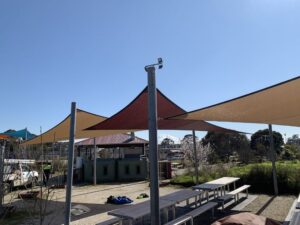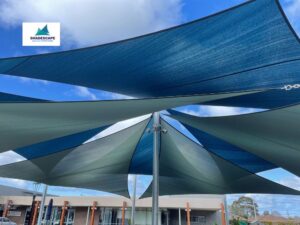

A school playground should feel safe, open, and easy to use. But without the right shade, outdoor areas can become too hot, too exposed, or uncomfortable during the school day.
That is why well-planned school shade sails solutions matter.
They do more than cover a space. They help protect students, support outdoor lessons, improve play comfort, and make high-use areas more practical for teachers, staff, and families.
The best shade plan starts with one question:
Where do students spend the most time outdoors?
Why School Shade Sails Melbourne Matter for Safer Playgrounds
Good shade planning is not only about installing fabric over a playground.
It is about understanding how the school space is used every day.
Students move between classrooms. They sit in lunch areas. They play near slides, climbing frames, and sandpits. They gather in assembly zones. Some classes also use outdoor spaces for reading, group work, or quiet learning.
A strong school shade plan can help with:
- school outdoor safety
- Better play comfort
- More useful outdoor spaces
- Clearer supervision areas
- Reduced direct sun exposure
- Better movement between school zones
- Longer use of playgrounds and courtyards
Shade should be placed where it solves a real problem.
That may be over playground equipment, lunch seating, sports court shade, sandpit shade, or outdoor learning areas.
For schools, the goal is not just shade. The goal is safer daily use.
-
Start with School Playground Shade in High-Use Areas
Every school has one or two outdoor areas that carry most of the daily traffic.
These areas should be assessed first.
In many cases, the highest priority spaces include:
- Main playground equipment
- Soft-fall areas
- sandpit shade
- Lunch seating areas
- assembly area shade
- Student waiting zones
- Walkways between buildings
- Outdoor learning corners
This is where school playground shade becomes a practical safety decision.
For example, a small sail over the wrong corner may look useful, but it may not protect the area where children actually play. A better approach is to study the site during active school hours.
Look at:
- Where students gather during recess
- Where teachers stand for supervision
- Which areas become hottest by midday
- Which play equipment is used most
- Where younger students spend the longest time
- Whether posts can be placed safely away from movement paths
This helps avoid wasted coverage.
For playgrounds, playground shade sails should be planned around real behaviour, not just the size of the open space.
A well-positioned shade sail can make a play area cooler, more comfortable, and easier to manage during busy breaks.
-
Choose UV Protection Shade Sails for Student Sun Safety
Children often spend repeated time outside during recess, lunch, sports, and school events.
Sun protection is a serious part of school outdoor safety.
UV protection shade sails can help reduce direct sun exposure in the areas students use most. They are especially useful in spaces where children sit, wait, play, or learn outdoors.
Good areas to consider include:
- Playgrounds
- Courtyards
- Lunch seating
- sports court shade
- Pickup zones
- outdoor learning areas
- Assembly areas
Shade works best when it is planned around the sun’s path.
A sail that protects well in the morning may not give the same coverage after lunch. That is why layout matters.
Schools should think about:
- Time of day the area is busiest
- Direction of the afternoon sun
- Height of nearby buildings
- Existing trees or structures
- Student age groups using the space
- Teacher visibility and supervision
The best result is not always the biggest sail.
Sometimes, two or three smaller sails in the right places can create better protection than one large sail in the wrong position.
-
Design Outdoor Learning Areas That Stay Comfortable
Modern school grounds are not only for play.
Many schools use outdoor spaces for reading, small group lessons, art activities, nature learning, quiet breaks, and class discussions.
That is why outdoor learning areas should be part of the shade plan.
A shaded outdoor learning space can give students fresh air without making teachers deal with glare, heat, or uncomfortable seating.
Good outdoor classroom shade should support:
- Clear teacher visibility
- Comfortable seating
- Enough airflow
- Safe movement around tables or mats
- Easy access from classrooms
- Shade during common lesson times
- A layout that does not feel dark or closed in
This is where custom shade sails can make a major difference.
A standard shade structure may not suit the shape of a courtyard, garden area, or outdoor class zone. A custom design can work around buildings, fences, posts, trees, walkways, and seating.
For schools, custom planning is useful because every outdoor area has a different purpose.
A quiet reading corner needs a different design from a sports court edge.
An assembly space needs different coverage from a sandpit.
A shaded learning zone should feel open, safe, and easy to supervise.
-
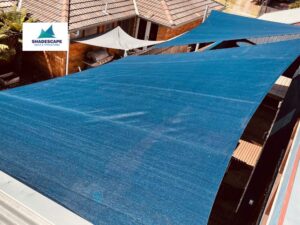
Waterproof Shade Sails for Covered School Areas
Some areas need more than sun protection.
They need coverage that helps the space stay usable during light rain or changing weather.
That is where waterproof shade sails can be useful.
They may suit:
- Pickup and drop-off areas
- Covered lunch spaces
- Waiting zones
- School entry points
- school walkway shade
- outdoor classroom shade
- Shared seating areas
The main point is installation quality.
A waterproof sail needs proper slope, tension, and drainage. If the design is too flat, water can collect in the middle, putting stress on the fabric and fittings.
Before choosing waterproof coverage, schools should ask:
- Does this area need rain protection?
- Will students or parents wait here?
- Is there enough height for water runoff?
- Can drainage be directed safely?
- Will the sail affect visibility or movement?
- Does the area also need UV protection?
For outdoor learning areas, waterproof coverage can make the space more flexible.
Teachers may be able to use the area for more of the year, and students can enjoy a more comfortable outdoor setting.
It is not always needed everywhere.
But for high-use school areas, waterproof shade sails can be a smart long-term choice.
-
Shade Sail Maintenance and Inspections for School Safety
A shade sail project does not end after installation.
Schools should also think about long-term care.
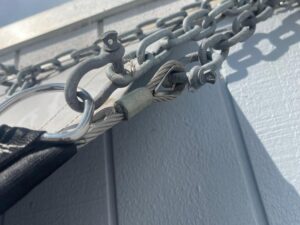
Outdoor structures are exposed to sun, wind, rain, dirt, leaves, and daily use. Over time, even a strong shade system can need checking, cleaning, tightening, or repair.
Regular shade sail maintenance helps schools protect their investment and reduce the risk of bigger issues later.
Schools should look for:
- Sagging fabric
- Loose fittings
- Rusted shade sail hardware
- Tears or fraying
- Water pooling
- Damaged stitching
- Weak fabric tension
- Movement around posts
- Dirt and leaf buildup
Professional shade sail inspections are especially useful for older sails or high-use playground areas.
Inspections help identify small problems before they become more expensive or unsafe.
For example:
- Loose fittings may lead to fabric movement.
- Poor fabric tension may cause flapping in the wind.
- Damaged shade sail hardware may weaken the structure.
- Water pooling may stretch or stress the sail.
For schools, this matters because playgrounds and outdoor spaces are used every day.
A clean, tight, well-maintained sail looks better and performs better.
It also gives school leaders more confidence that the shaded area is suitable for daily student use.
Why ShadeScape Is Best for School Shade Sails
Choosing the right installer is just as important as choosing the right fabric.
Schools need more than a basic shade product. They need a provider that understands outdoor safety, student movement, site layout, UV protection, and long-term care.
ShadeScape is a smart choice for school shade sails because the team can support the full process from planning to installation and maintenance.
That includes:
- Site assessment
- Custom shade planning
- Material guidance
- UV and waterproof options
- Safe post placement advice
- Professional shade sail installation in Melbourne
- Support with shade sail inspections
- Help with future shade sail maintenance
This matters because school sites are not all the same.
One school may need playground shade sails for a junior play area.
Another may need an assembly area shade or sports court shade to keep students protected during gatherings and outdoor activities.
Another may want outdoor classroom shade for learning programs.
ShadeScape’s approach is practical. The focus is on designing shade around how the space is actually used.
That gives schools a better chance of getting a shade solution that feels useful from day one.
FAQs
- What areas should schools shade first?
Schools should start with the outdoor areas that students use most often. These usually include playground equipment, lunch areas, sandpit shade, assembly area shade, sports court shade, and outdoor learning areas.
The best approach is to assess the site during real school use, not only when the area is empty.
- Are waterproof shade sails worth it for schools?
Yes, waterproof shade sails can be worth it for pickup zones, covered lunch areas, walkways, and outdoor classroom shade.
They are most useful where schools want protection from both sun and light rain. Proper slope and drainage are important for long-term performance.
- How often should schools arrange shade sail inspections?
Schools should check shade sails regularly and arrange professional shade sail inspections when they notice sagging fabric, loose fittings, rusted shade sail hardware, poor fabric tension, water pooling, or visible damage.
Regular inspections help keep the shade structure safer and easier to maintain.
Conclusion
A safer playground is not created by shade alone.
It is created by smart planning.
The right shade solution should protect the areas students use most, support daily supervision, improve comfort, and make outdoor spaces more useful throughout the school day.
From school playground shade and UV protection shade sails to waterproof shade sails, outdoor learning areas, and long-term shade sail maintenance, every part of the plan matters.
For schools that want a dependable shade solution, ShadeScape offers a practical way forward. The team can assess the site, recommend the right design, and help create shaded spaces that support safer play, better learning, and everyday outdoor comfort.